


General
Legacy ID
1
Supply Chain Assessment of the Transportation Industrial Base: Freight and Logistics
The Freight and Logistics Supply Chain Assessment responds to Executive Order 14017: America's Supply Chains by identifying and addressing current transportation supply chain vulnerabilities and challenges and recommending potential policy responses to strengthen the resilience of the freight...
Rural DOT Points of Contact
DOT staff across the country work with their partners in state and local government, along with other stakeholders, to help deliver infrastructure projects and provide technical assistance.
Rural DOT Points of Contact
DOT Onboard Demographics, January FY 2022
This spreadsheet provides onboard statistics for January, FY 2022. Demographics are particularly useful to managers in the workforce planning process. This data is also used by Congressional staffers and others who have an interest in the size and makeup of the federal workforce, and...
President Biden, USDOT and USDOE Announce $5 Billion over Five Years for National EV Charging Network, Made Possible by Bipartisan Infrastructure Law
Joint Energy and Transportation Office and DriveElectric.gov Available to Assist States with Electric Vehicle Infrastructure Deployment PlansNational Electric Vehicle Infrastructure Formula Program
2020misdata
Secure Data Commons - Use Cases
Discover Use Cases for SDC
Modernize Part of Your Research Program

Automate Legacy System so that Research Program Initiatives Continue
Enable Programs to Design Data Services

Integration with SDC Enable Development of Robust Data Products and Datasets
Learn, Pilot & Assess New Technologies
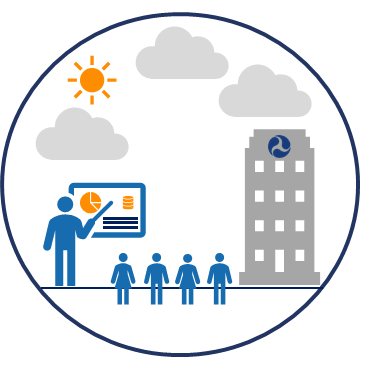
Learn and Prototype New Advanced Technologies in a Sandboxed Area
Data Sharing Between Cloud Programs
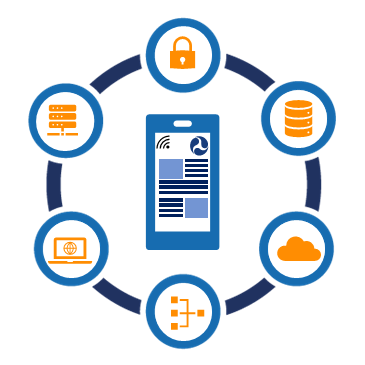
Connect SDC Cloud and DOT Research Cloud Platforms to Make Data Available to External Research Teams
Cross Project Analysis
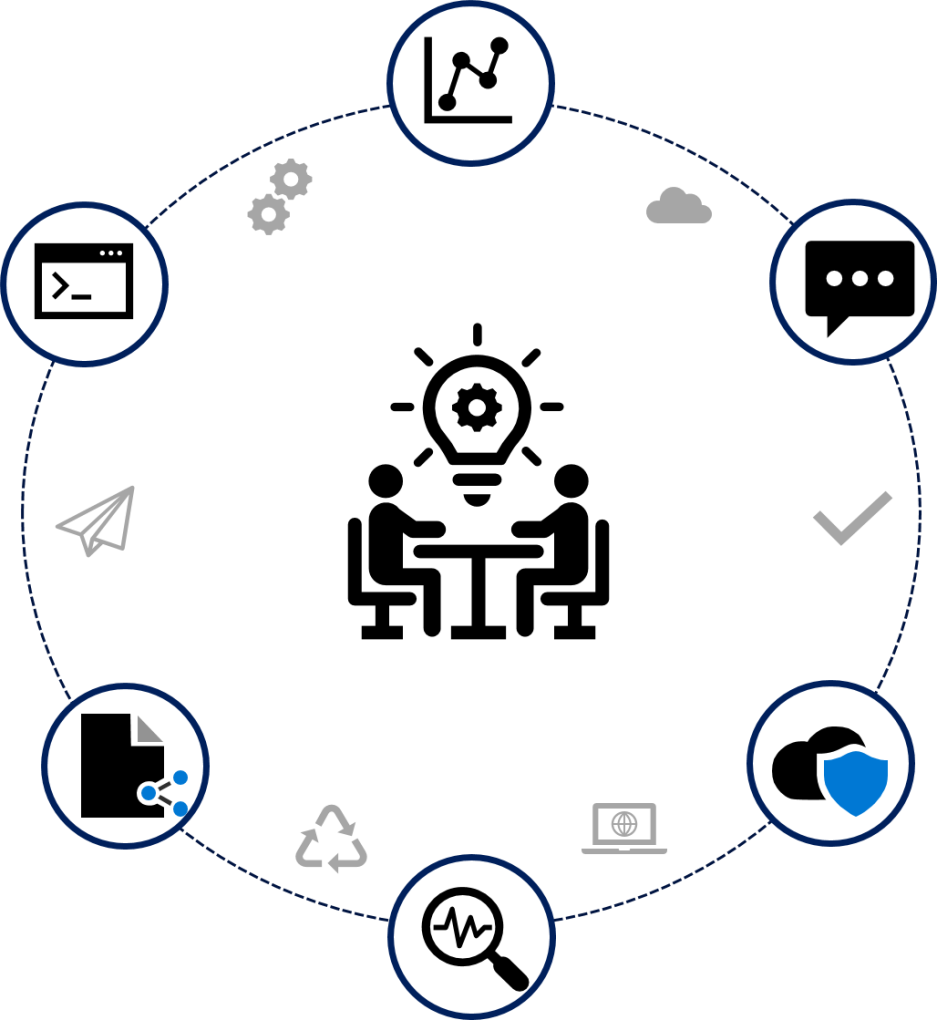
Identify Technologies and Systems to Enable Intra-Project Analysis and Scale to National Level
Last updated September 2022